How does outdoor recreation improve mental health?
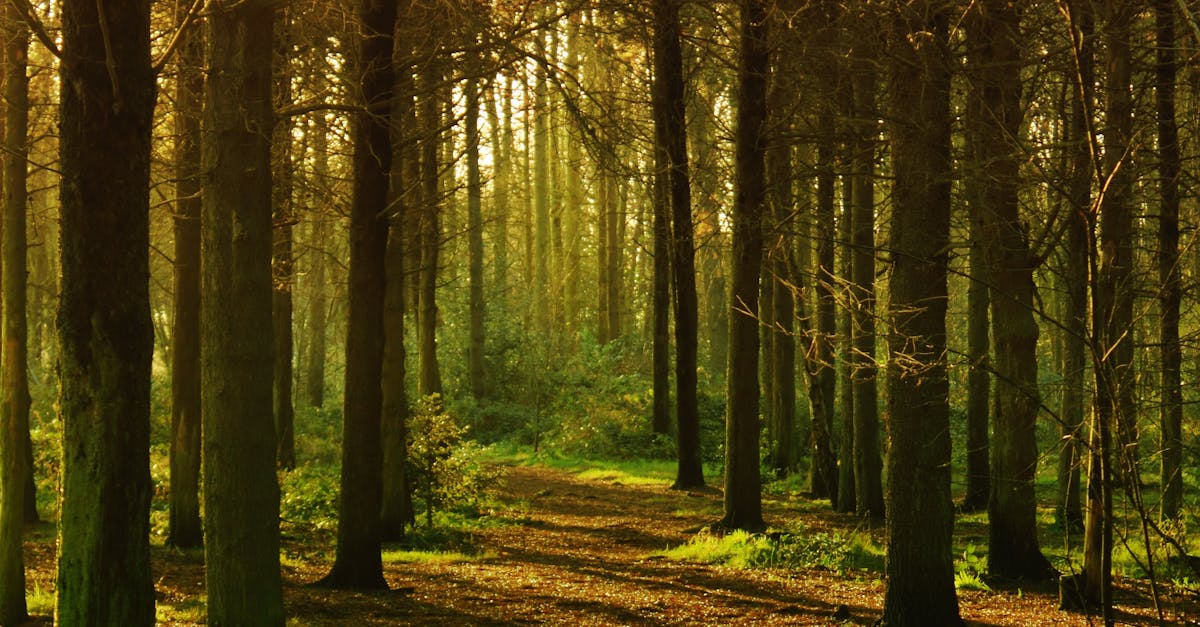
The Therapeutic Benefits of Green Spaces
Nature has a remarkable ability to soothe the mind and promote emotional well-being. Exposure to green spaces such as parks, forests, and gardens has been linked to reduced stress levels and an overall improvement in mood. The calming sights and sounds of nature create an environment that encourages relaxation and mindfulness. Engaging with these settings allows individuals to step away from the pressures of daily life and immerse themselves in a more serene atmosphere.
Research suggests that time spent in green spaces can lead to increased feelings of happiness and fulfillment. Activities like walking or jogging among trees can enhance cognitive function and boost creativity. Spending time outdoors enhances social interactions, fostering connections with others that are beneficial for mental health. This combination of physical activity, fresh air, and social engagement creates a powerful antidote to feelings of loneliness and anxiety.
Navigate to this website to learn more.
Exploring the Healing Powers of Parks and Gardens
Parks and gardens serve as vital oases that offer solace and rejuvenation for individuals seeking relief from daily stressors. Surrounded by greenery, the soothing sounds of nature and the vibrant colors of flowers contribute significantly to a person's emotional well-being. Studies have shown that spending time in these serene environments can reduce feelings of anxiety and promote a sense of calm. The simple act of walking through a garden often leads to moments of reflection and tranquility, enhancing a person's mood.
Moreover, engaging with nature-filled spaces encourages mindfulness, allowing individuals to immerse themselves in the present moment. Activities such as gardening or simply observing wildlife can have profound effects on mental health by promoting a sense of purpose and connection to the environment. Many people find that being in green spaces fosters creativity and inspiration, as the natural setting stimulates the mind and encourages new ways of thinking. This connection to nature not only uplifts spirits but also strengthens emotional resilience.
Outdoor Recreation as a Coping Mechanism
Engaging in outdoor activities provides individuals with a healthy outlet to manage stress and emotions. Nature often serves as a backdrop for reflection, allowing people to step away from their daily challenges. Activities such as hiking, cycling, or simply walking in a park can create a sense of freedom that is sometimes difficult to find in urban environments. The rhythmic sounds of nature, paired with physical movement, can induce a meditative state that encourages mindfulness.
Incorporating outdoor recreation into one’s routine can also act as a powerful form of distraction from negative thoughts. The fresh air and sunlight play significant roles in enhancing mood and energy levels. As individuals immerse themselves in nature, they often find clarity and a renewed perspective on their problems. These moments spent outside can lead to improved emotional resilience, helping to build adaptive coping mechanisms for future challenges.
Utilizing Nature to Manage Anxiety and Depression
Engaging with nature serves as a powerful antidote to feelings of anxiety and depression. Immersing oneself in natural environments often leads to reduced levels of stress hormones, such as cortisol. The tranquility of a forest or the rhythmic sounds of ocean waves can create a calming effect on the nervous system. Many studies support this connection, showing that spending time outdoors promotes emotional well-being and enhances mood.
Additionally, outdoor activities like hiking or gardening can provide both physical and mental benefits. The combination of exercise and exposure to sunlight can trigger the release of endorphins, which are natural mood lifters. The simple act of walking in a park or tending to plants allows individuals to practice mindfulness, diverting attention away from negative thoughts. This proactive approach toward mental health encourages individuals to build resilience against anxiety and depressive symptoms.
Adventure and Its Influence on Resilience
Engaging in adventurous activities often pushes individuals beyond their comfort zones. These experiences can build mental toughness as participants confront challenges and uncertainties. When faced with obstacles, such as navigating a rugged trail or tackling a rapids-filled river, individuals learn to adapt and problem-solve. This process fosters a sense of accomplishment that enhances self-esteem and confidence.
Moreover, the unpredictability of adventure offers valuable lessons in resilience. As people encounter unexpected challenges outdoors, they develop coping strategies and a greater appreciation for the present moment. Overcoming fears and embracing unfamiliar environments not only cultivates perseverance but also encourages a positive mindset. These skills translate into everyday life, equipping individuals to handle stressors more effectively.
How Challenging Activities Foster Mental Toughness
Engaging in physically demanding outdoor activities can significantly contribute to the development of mental toughness. Adventure sports such as rock climbing, mountain biking, or trail running push individuals to confront their limits. The challenges faced during these activities require focus, perseverance, and a willingness to embrace discomfort, all of which are essential components of mental resilience. Each encounter with obstacles in the outdoors becomes an opportunity for self-discovery, enabling participants to recognize their own capabilities and strengths.
Moreover, facing adversity in nature cultivates a sense of achievement that reinforces self-confidence. As individuals overcome physical challenges, they experience a rush of accomplishment that translates into other aspects of life. This newfound confidence serves as a foundation for handling stress and adversity in everyday situations. The lessons learned from these encounters can help individuals develop a proactive approach to challenges, fostering the ability to bounce back from setbacks with greater ease and determination.
FAQS
How does spending time in green spaces benefit mental health?
Spending time in green spaces has been shown to reduce stress, anxiety, and depression, promote feelings of well-being, and improve mood due to the calming effects of nature.
What types of outdoor activities can help manage anxiety and depression?
Activities such as hiking, gardening, cycling, and even walking in a park can help manage anxiety and depression by providing a sense of purpose, promoting physical exercise, and allowing for connection with nature.
Can challenging outdoor activities improve resilience?
Yes, engaging in challenging outdoor activities, like rock climbing or backpacking, can enhance resilience by pushing individuals out of their comfort zones, fostering mental toughness, and building self-confidence.
How often should I engage in outdoor recreation for mental health benefits?
It is generally recommended to spend time outdoors at least a few times a week, even for short periods, to experience mental health benefits. Consistent engagement can lead to cumulative positive effects.
Can outdoor recreation be beneficial for everyone?
While outdoor recreation can be beneficial for many people, individual preferences and experiences may vary. It's important to find activities that resonate personally and to consider any physical limitations or health conditions.
Related Links
Does being outside reduce depression?Can not going outside affect your mental health?