What is ecopsychology?
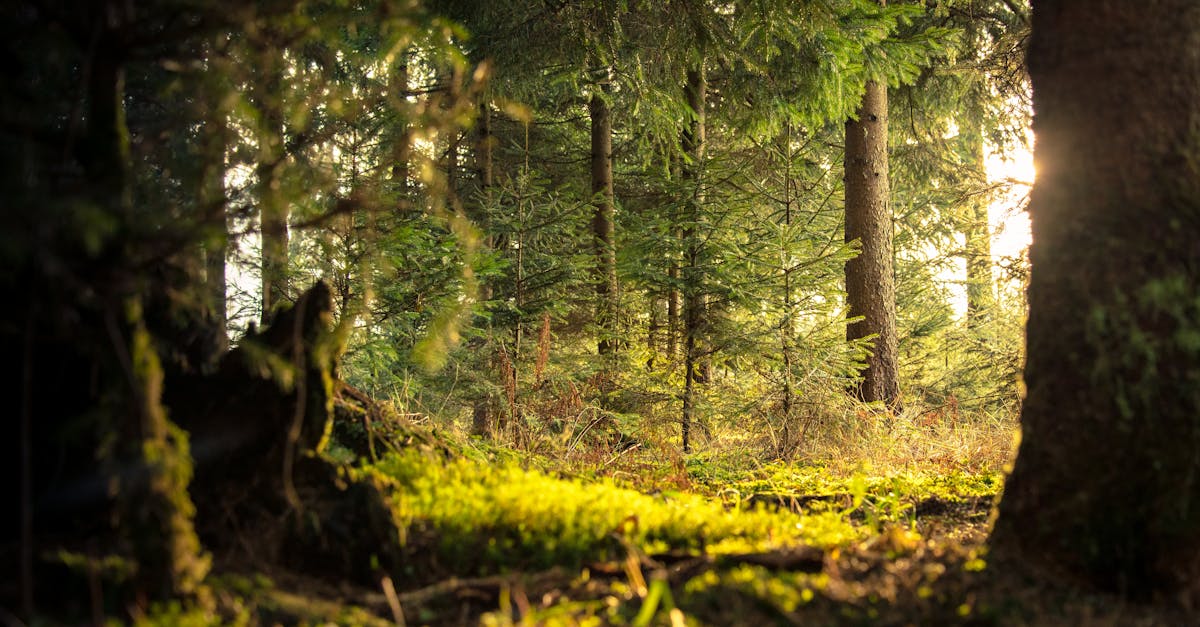
Ecopsychology in Therapy
Therapists employing ecopsychology often prioritize the relationship between individuals and the natural world as a crucial component of mental well-being. In this approach, nature is not merely a backdrop for treatment but an active participant in the therapeutic process. By spending time outdoors and engaging with the environment, clients can experience a sense of connection and healing that may be difficult to achieve within traditional therapy settings. Techniques might include outdoor therapy sessions, mindfulness practices among natural elements, and activities that foster a deep appreciation for the ecological world.
The integration of nature into therapy can enhance the therapeutic relationship and create a dynamic space for personal growth. Clients report increased feelings of calm and clarity when working in natural settings. Therapists may guide individuals to explore how their personal experiences and broader ecological issues intersect, revealing deeper insights into their mental health challenges. This holistic perspective encourages clients to not only address individual concerns but also to consider their place within a larger ecological framework, fostering a sense of purpose and interconnectedness.
Integrating Nature into Therapeutic Settings
Therapeutic practices increasingly embrace the incorporation of nature to foster healing and well-being. This approach can be achieved through various methods, such as outdoor therapy sessions, nature walks, or the use of natural elements within clinical spaces. These experiences encourage individuals to connect with their environment, promoting mindfulness and enhancing overall mental health. By experiencing nature firsthand, clients can gain new perspectives on their challenges, leading to deeper insights and emotional resilience.
Additionally, therapists may choose to integrate visual or auditory elements of nature within indoor settings. Bringing plants into the therapy room, displaying natural landscapes, or playing the sounds of nature can create a soothing atmosphere. Such elements may help to alleviate anxiety and foster a sense of grounding. By creating a bridge between the therapeutic environment and the world outside, clients can begin to cultivate a stronger sense of connection to both themselves and the natural world.
Critiques of Ecopsychology
Critics of ecopsychology often express concerns about its scientific validity and reliance on anecdotal evidence. They argue that the field has not yet developed a robust empirical foundation. Critics suggest that while the emotional connection to nature is undeniable, the methods used to measure its psychological impact remain insufficient. There is worry that without rigorous research, ecopsychology risks being dismissed as unscientific, limiting its acceptance in mainstream psychological practices.
Another point of contention revolves around the potential for oversimplifying complex psychological issues by attributing them solely to disconnection from nature. Detractors caution against viewing nature as a panacea for all mental health challenges, arguing that this perspective may overlook deeper socio-economic and cultural factors contributing to psychological distress. By emphasizing nature as the primary solution, critics believe that vital discussions regarding systemic issues may be sidelined.
Addressing Common Concerns and Misunderstandings
Ecopsychology often faces skepticism regarding its scientific rigor. Critics argue that the field relies heavily on subjective experiences and lacks empirical evidence to support its claims. This perception can lead to misunderstandings about its validity as a psychological discipline. While some aspects of ecopsychology may seem less tangible, practitioners emphasize the importance of integrating nature into therapy to enhance mental well-being. This approach draws from established psychological principles, relying on observations and outcomes from nature-based therapeutic practices.
Another common concern revolves around the potential for ecopsychology to romanticize nature. Some people fear that idealizing the natural world may detract from addressing complex societal issues. Proponents clarify that ecopsychology does not suggest an escape from realities or responsibilities. Instead, it advocates for a balanced relationship with the environment. This balance includes recognition of both the therapeutic benefits of nature and the pressing environmental challenges that require human attention and action.
Role of Ecopsychologists
Ecopsychologists play a vital role in bridging the gap between environmental awareness and psychological well-being. They facilitate therapeutic processes that encourage individuals to reconnect with nature, acknowledging the psychological benefits of such relationships. This often involves guiding clients through experiences that promote mindfulness in natural settings. As practitioners, they also draw on various psychological theories and techniques to address the emotional and mental health challenges arising from environmental issues.
Additionally, they often engage in community outreach and education, fostering a deeper understanding of the psychological impacts of ecological crises. By emphasizing the interconnectedness of humans and the natural world, ecopsychologists encourage holistic approaches in healing and personal growth. Their work extends beyond therapy sessions, promoting environmental stewardship and healthy lifestyles that honor the relationship with nature. This dual focus enhances both individual wellness and collective ecological responsibility.
Responsibilities and Areas of Focus
Ecopsychologists focus on enhancing mental health through a connection with nature. They encourage clients to explore their relationship with the environment and how it impacts their well-being. By integrating nature-based activities into therapy sessions, professionals aim to create a holistic approach that promotes emotional and psychological healing. This often involves encouraging outdoor experiences, mindfulness practices, and environmental education as part of the therapeutic process.
Additionally, the role encompasses research and advocacy related to ecological issues and mental health. Ecopsychologists may educate communities about the psychological benefits of preserving natural spaces. They often collaborate with environmental organizations to promote the integration of ecopsychological principles into broader mental health initiatives. By addressing both individual and collective psychological needs, these professionals strive to foster a deeper understanding of the interconnectedness between people and the environment.
FAQS
What is ecopsychology?
Ecopsychology is an interdisciplinary field that explores the psychological relationship between humans and the natural environment, emphasizing the importance of ecological awareness and the effects of nature on mental health.
How is ecopsychology applied in therapy?
In therapy, ecopsychology integrates nature into therapeutic practices, encouraging clients to connect with the natural world as a means of enhancing mental well-being and fostering a sense of belonging within the ecosystem.
What are some common critiques of ecopsychology?
Common critiques of ecopsychology include concerns about its scientific validity, potential oversimplification of complex psychological issues, and the risk of romanticizing nature without addressing systemic social and environmental injustices.
What responsibilities do ecopsychologists have?
Ecopsychologists are responsible for understanding and addressing the psychological impacts of environmental issues, promoting ecological awareness, and facilitating the therapeutic benefits of nature to enhance their clients' mental health.
How can individuals incorporate ecopsychology principles into their own lives?
Individuals can incorporate ecopsychology principles by spending more time in nature, practicing mindfulness in natural settings, and fostering a deeper appreciation and connection to the environment as part of their self-care routine.
Related Links
What are the 4 D's of mental health?What happens if you never go outside?