What is forest therapy?
The Role of Nature
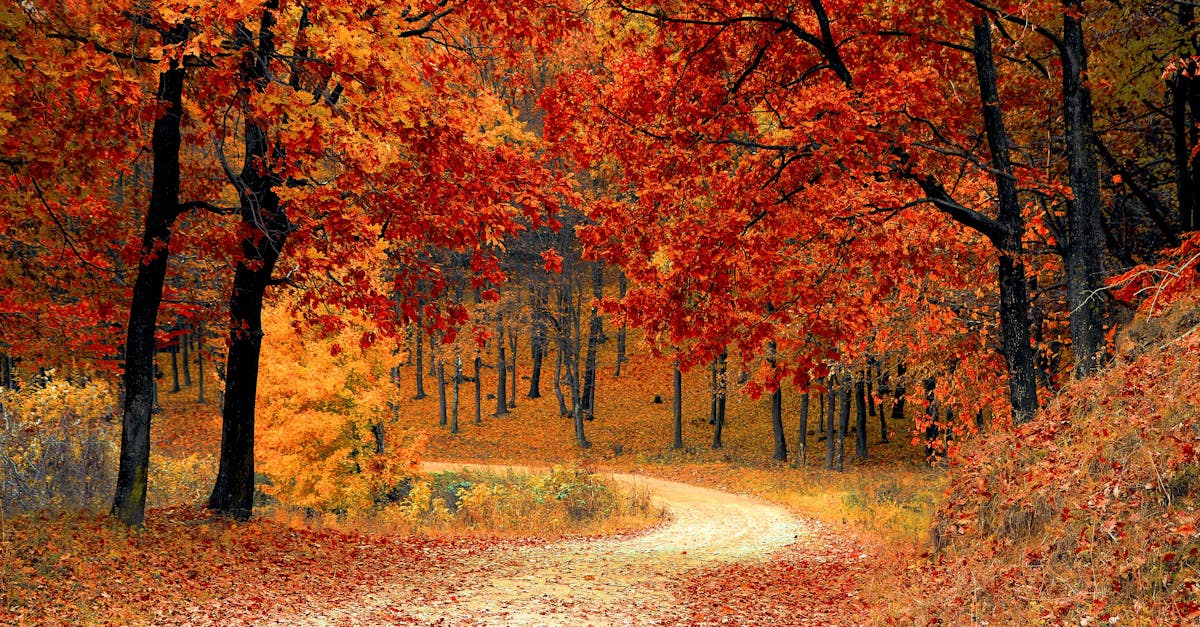
Engagement with natural environments has profound benefits on human well-being. Being surrounded by greenery, trees, and wildlife can foster relaxation and reduce stress. This emotional respite contributes to improved mental health and overall life satisfaction. Many studies have shown that even short periods spent in nature can lead to decreased levels of cortisol, a hormone closely associated with stress.
Additionally, natural settings offer sensory stimulation that urban environments often lack. The sights, sounds, and scents of the forest create a unique atmosphere that can invigorate the mind and body. This sensory engagement not only enhances mood but also promotes mindfulness, encouraging individuals to savor their surroundings fully. The immersive experience of nature can provide a deep sense of connection to the world, enhancing one’s appreciation for the environment and fostering a desire to protect it.
Check out this site for more information.
Importance of Natural Environments
Natural environments play a critical role in enhancing overall well-being. Exposure to greenery has been linked to reduced stress levels and improved mood, fostering a sense of calm and relaxation. Studies have shown that spending time in nature not only revitalizes the body but also rejuvenates the mind. The sensory experiences provided by forests, such as the sounds of rustling leaves and the scent of pine, positively influence mental health.
Additionally, natural settings encourage physical activity, benefiting both physical and mental wellness. Activities such as hiking and walking in serene surroundings motivate individuals to engage in exercise, contributing to cardiovascular health and increased stamina. The peaceful ambiance of forests promotes mindfulness and encourages a deeper connection to the environment, enhancing the overall therapeutic experience for individuals seeking solace from the busy demands of everyday life.
Forest Therapy Programs
Forest therapy programs focus on promoting well-being through immersive experiences in natural settings. Trained guides lead participants on mindful walks, encouraging them to engage with their surroundings using all their senses. These sessions often include meditation, breathing exercises, and opportunities for reflection, allowing individuals to reconnect with nature and themselves.
Various types of forest therapy sessions cater to different needs and preferences. Some programs emphasize relaxation and stress reduction, while others may incorporate physical activity or creative expression. Group sessions foster community and shared experiences, whereas one-on-one sessions provide personalized attention, addressing specific concerns. Participants often leave these programs feeling rejuvenated and inspired by the healing power of nature.
Overview of Different Types of Sessions
Various forest therapy sessions cater to different needs and preferences. Some programs focus on structured activities led by trained guides who introduce participants to the principles of Shinrin-yoku, or “forest bathing.” Participants may engage in mindfulness practices, sensory activities, and gentle movement exercises while immersed in nature. These sessions are often designed for small groups, fostering a sense of community and shared experience.
Other sessions may emphasize personal exploration and reflection. Participants can wander through the forest at their own pace, choosing areas that resonate with them. These solitary experiences allow individuals to connect deeply with their surroundings, often incorporating journaling and creative expression as tools for processing emotions and thoughts. The flexibility of these formats ensures that everyone can find a session that suits their unique preferences and comfort levels.
Popular Destinations
Some of the most sought-after locations for forest therapy are in regions known for their stunning natural beauty and diverse ecosystems. The lush forests of the Pacific Northwest feature towering trees and tranquil landscapes that provide an ideal setting for immersive experiences. In contrast, the vast pine forests of the Appalachian Mountains offer a different atmosphere, with rolling hills and picturesque trails perfect for mindful wandering. Each destination presents unique opportunities for participants to connect with nature and engage in soothing activities.
Other popular spots include the serene woodlands of Northern California and the vibrant redwoods, where visitors can feel a profound sense of peace among ancient giants. New England's autumn foliage also attracts those seeking a transformative experience, as the kaleidoscope of colors enhances the therapeutic ambiance. These destinations not only promote relaxation but also inspire a deeper appreciation for the natural world, encouraging individuals to step away from their hectic daily routines and reconnect with themselves.
Best Locations for Forest Therapy
Certain regions around the world have gained recognition for their serene landscapes and therapeutic benefits. The ancient Redwood forests of California offer a breathtaking backdrop for individuals seeking tranquility among towering trees. In Japan, the practice of Shinrin-yoku, or “forest bathing,” is celebrated in areas like Yakushima, known for its lush greenery and unique biodiversity, promoting mental well-being.
Beyond the United States and Japan, destinations like the Black Forest in Germany provide picturesque settings for forest therapy. This region is famous for its dense woodlands and tranquil atmosphere. New Zealand's Fiordland National Park, with its dramatic fjords and pristine natural environments, serves as another ideal location for those looking to experience the restorative powers of nature in a captivating landscape.
FAQS
What is forest therapy?
Forest therapy is a therapeutic practice that involves spending time in natural environments, particularly forests, to improve mental and physical well-being. It encourages participants to engage with nature through mindfulness, relaxation, and sensory experiences.
How does forest therapy benefit mental health?
Forest therapy has been shown to reduce stress, anxiety, and depression by promoting relaxation and mindfulness. The natural environment helps to improve mood, enhance focus, and foster a sense of connection to nature, which can lead to overall improved mental health.
Are there specific programs for forest therapy?
Yes, there are various forest therapy programs that offer structured sessions led by trained guides. These programs may include activities like guided walks, mindfulness exercises, and group discussions to help participants connect with nature and themselves.
What should I expect during a forest therapy session?
During a forest therapy session, you can expect to engage in activities that promote relaxation and mindfulness, such as guided walks, breathing exercises, or sensory activities. Sessions are usually conducted in small groups and are designed to encourage deep engagement with the natural surroundings.
Where can I find popular destinations for forest therapy?
Popular destinations for forest therapy can be found in many natural parks, forests, and nature reserves across the country. Some well-known locations include national parks, botanical gardens, and wellness retreats that offer dedicated forest therapy programs.
Related Links
What is green therapy?Why does being outdoors improve mental health?
Unlocking The Importance Of Neuro In The Cayman Islands
Does going outside help your brain?